
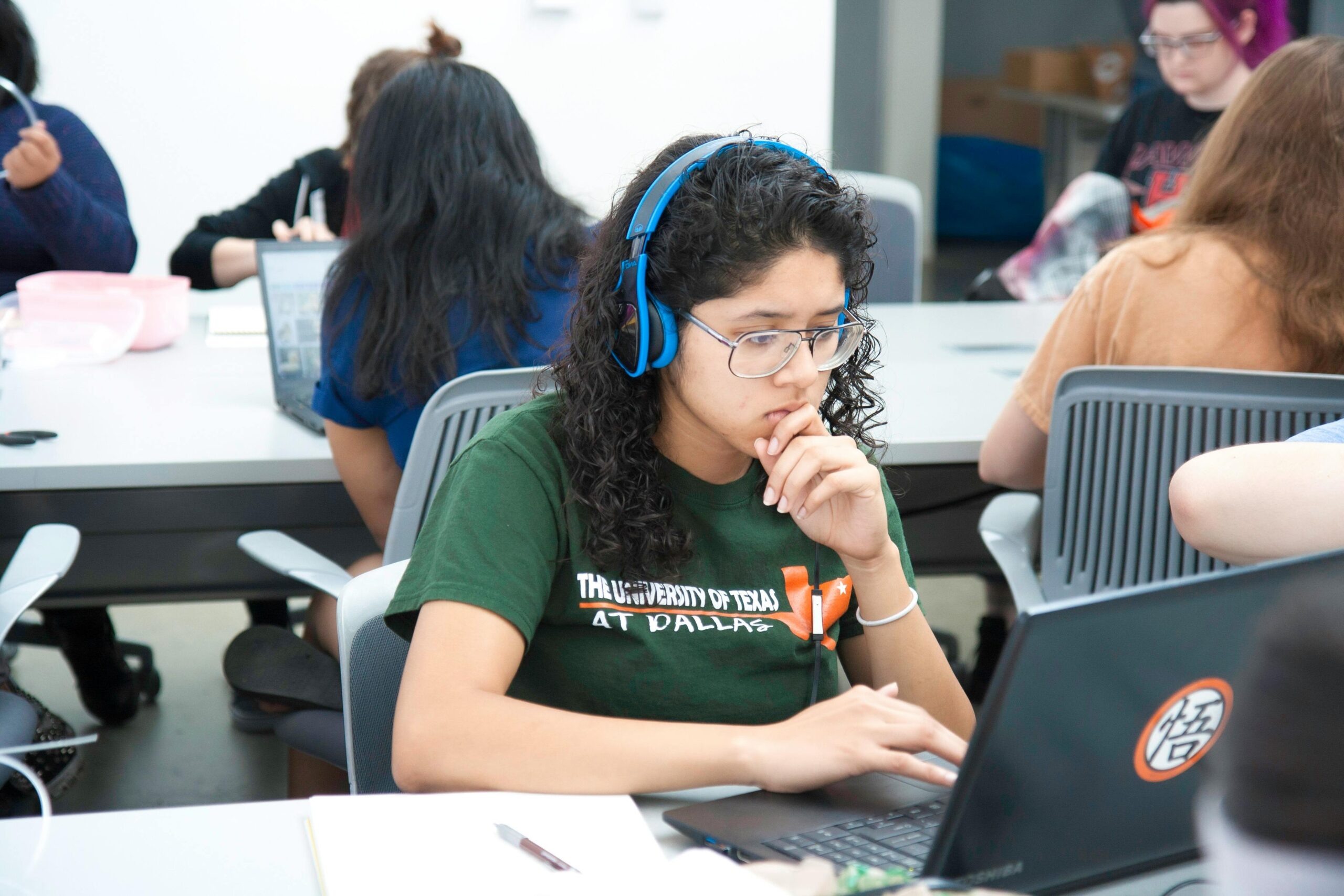
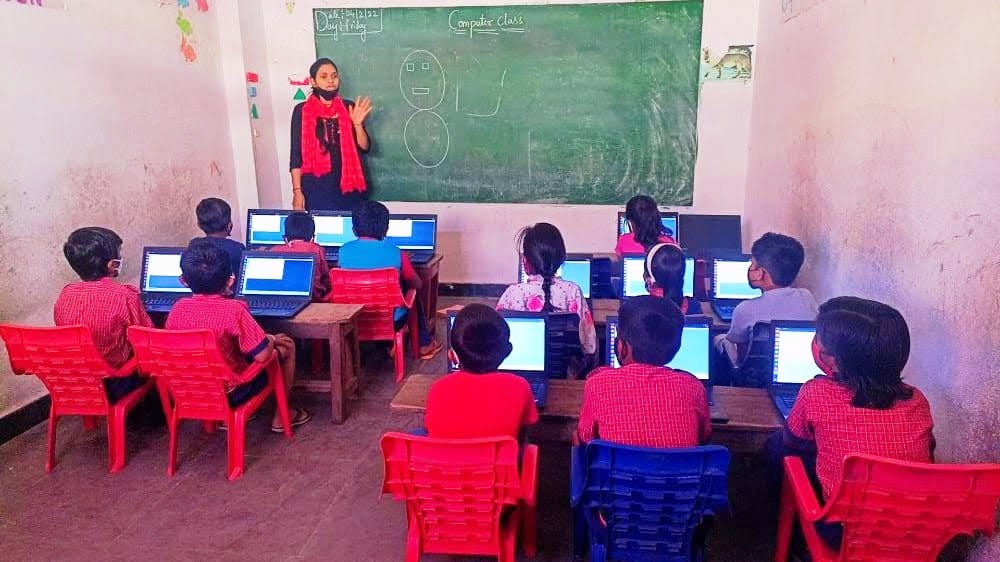
To address this gap, the Computer Literacy Centre (CLC) programme was launched to build
practical digital skills and improve employability among underserved communities. The centres
equip learners with essential IT skills and industry-relevant competencies for today’s digital
world.
Initiated in 2018 in partnership with NIIT, the CLC programme offers courses from basic
computer literacy and internet usage to advanced modules such as digital marketing, graphic
design, and Tally, aligned with local livelihood needs.
Beyond classroom training, the programme conducts periodic expert sessions, including career
guidance, AI awareness, and cyber safety & cybercrime prevention workshops, strengthening
responsible digital use.
The programme also extends outreach to schools, community centres, and marginalized
groups, ensuring wider access to digital learning opportunities.
Building on the learnings and impact of this approach, SUNDESH evolved the programme in
2022 into Project Parivartan, a Model School transformation model. This phase moves
beyond need-based repairs to a more systemic upgradation of selected government schools,
integrating infrastructure development with student engagement and community participation.
Under Project Parivartan, schools are transformed holistically into Model Schools, ensuring
improved learning spaces, safety, hygiene, and student-friendly environments, along with active
involvement of school authorities and local communities for long-term sustainability.
Through this transition from need-based school support to a comprehensive Model School
approach, SUNDESH aims to strengthen school readiness, improve student engagement, and
contribute to better attendance and learning outcomes in government schools.

Field Visit – Key Highlights
Leadership on Ground:
Dr. Poonam Parihar and Mr. Rahul Saxena visited IEC-supported clusters in Jehanabad and
Madhubani to review implementation, observe classrooms, and engage with teachers and
system stakeholders.
Classroom Practice:
Observed adoption of activity-based, CBE-aligned learning, with higher student participation
and improved conceptual clarity.
System Linkages:
Strong mentoring support and institutional alignment with DIET Jehanabad, aligned with
SCERT and district academic planning.
Appreciation: The DIET Principal, Jehanabad commended the programme’s practical
classroom integration and scalability potential.
“Strengthening systems today for betterclassrooms tomorrow.”
🔹 Scale & Reach
● Visit Coverage: 6 schools | ~280 students (Grades 1–5) | 22 teachers
● Overall Reach (Bihar): 404 schools | 59,000+ children | 2,597 teachers | 52 clusters
● Geography: Jehanabad & Madhubani (Makdumpur & Bisfi blocks)