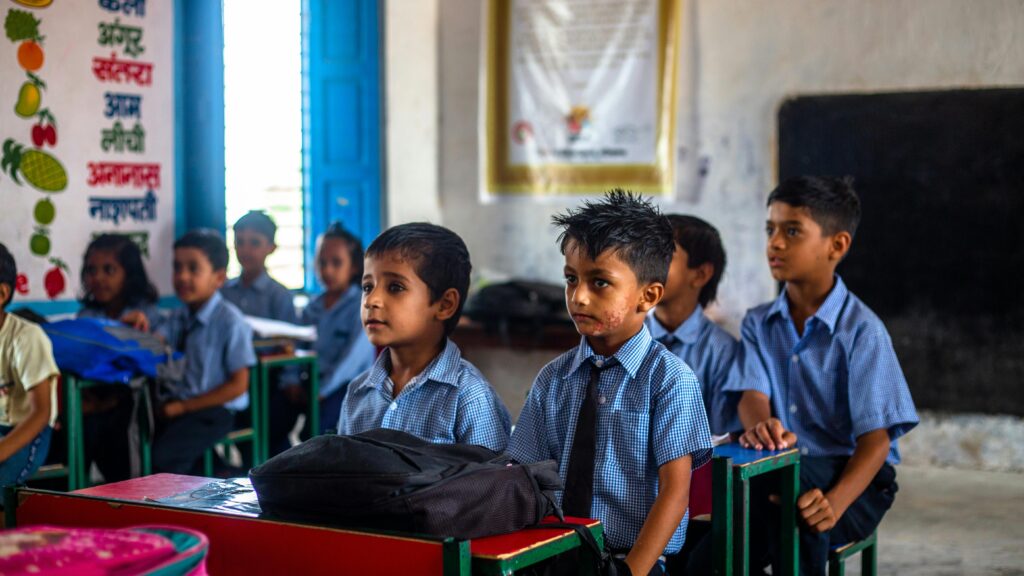
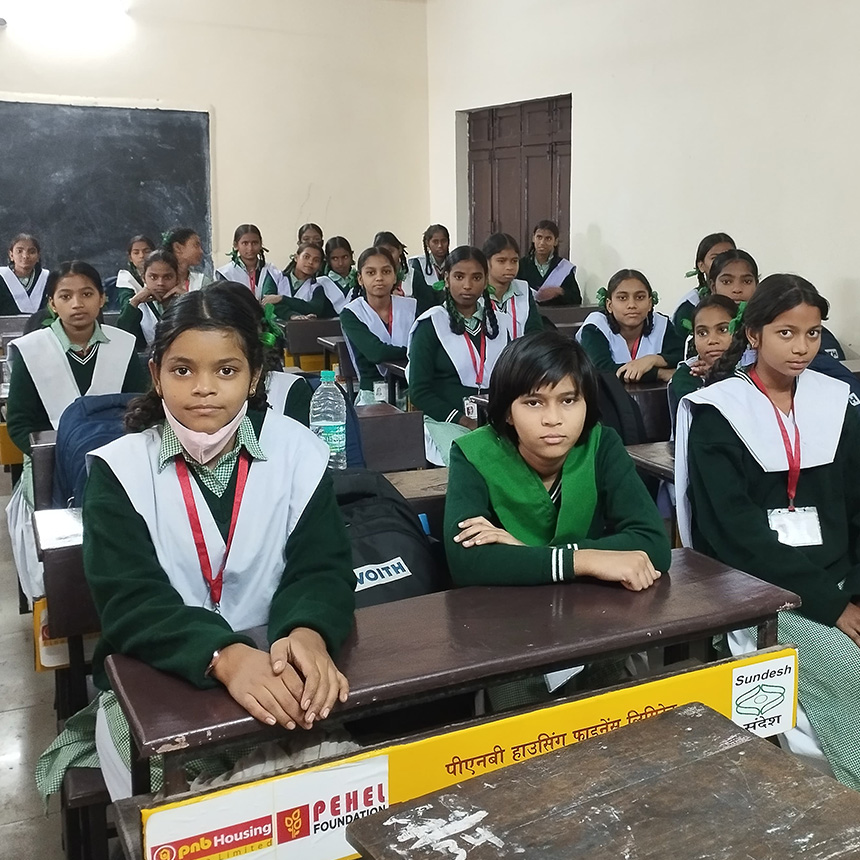
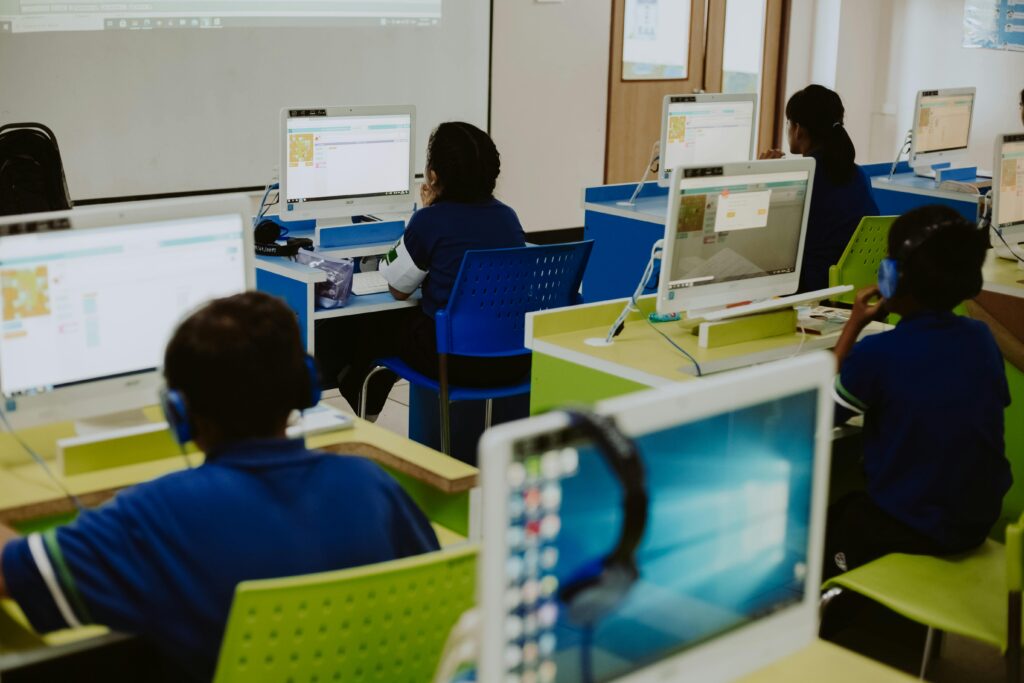
Despite national progress in education, rural India continues to face persistent challenges poor infrastructure, shortage of trained teachers, digital illiteracy, and high dropout rates. ASER reports that over 50% of rural students in grades 5-8 struggle with basic reading and arithmetic. To address these foundational gaps, Sundesh has launched a multi-layered Education Program that strengthens core learning, promotes digital fluency, and builds community-based educational ecosystems.
Young Minds Empowered Through Education:
10 +
Schools
15 +
Locations
1.03 K+
Children Enrolled
37 +
Teachers & Staff
Sundesh School
Through years of on-ground engagement with rural communities under the School Support
Programme, SUNDESH developed deep insights into the region’s education landscape.
Recent national learning assessments show that despite high school enrolment in rural India,
many children continue to struggle with foundational literacy and numeracy. The
With digital skills becoming essential for education and livelihoods, SUNDESH identified a
widening digital divide in rural and peri-urban communities. Limited access to computers,
internet, and structured training restricts opportunities for youth and adults to participate in
the digital economy.
Since its inception in 2015, SUNDESH has been supporting government schools through its
School Support Programme, a need-based initiative focused on improving basic infrastructure
and learning environments.