Key Snapshot
Statistics
Primary Stakeholders
Small & marginal farmers
Approach
On-farm composting, demonstrations & handholding
Integrating Communities, Empowering Lives
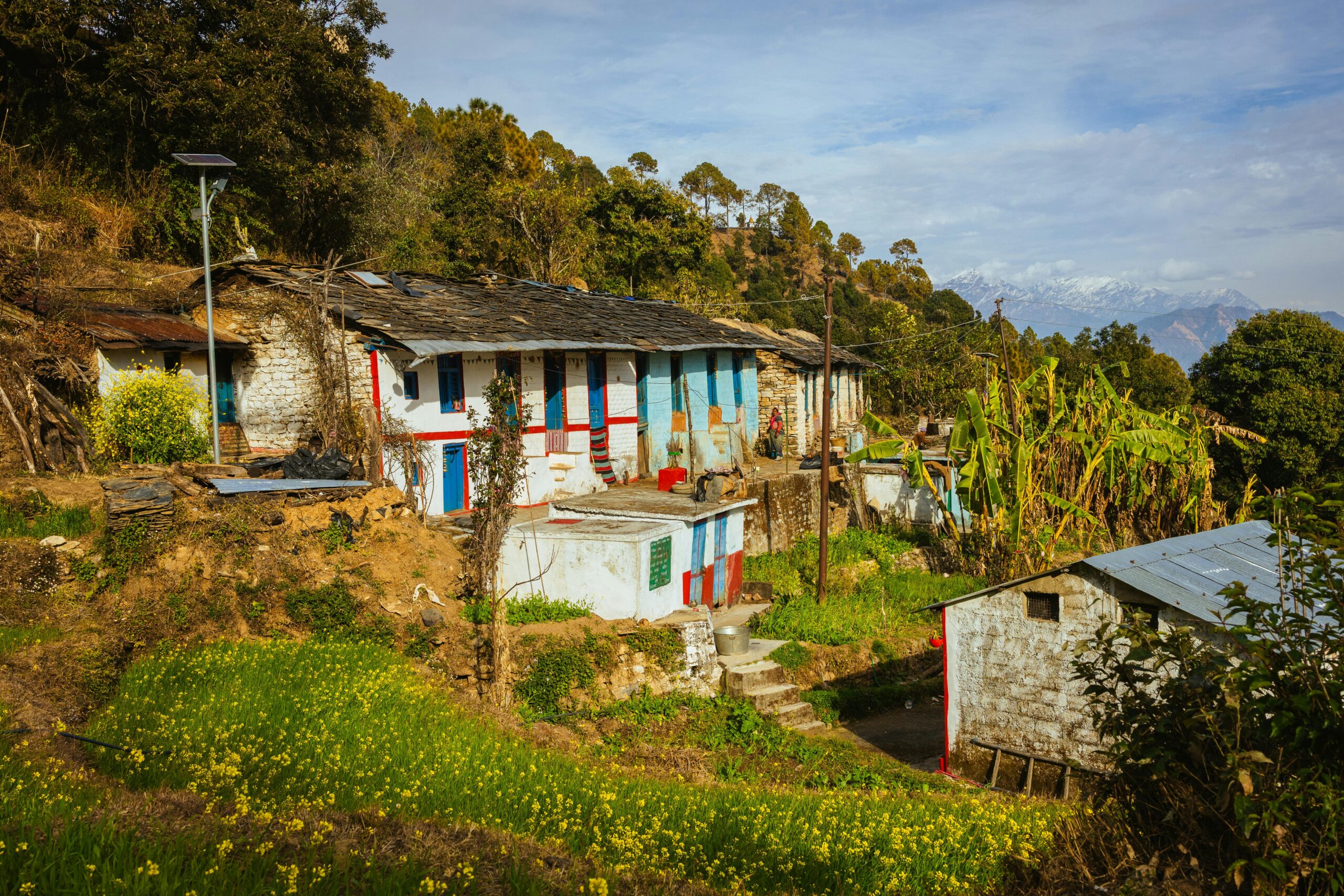
Through the collaborative efforts of NABARD and SUNDESH, the Village Development Plan (VDP) initiative fosters integrated, community-led development in targeted villages. The VDP model strengthens livelihoods while holistically addressing village priorities across financial inclusion, access to credit, infrastructure, education, health, sanitation, and drinking water.
By placing communities at the centre of planning and action, SUNDESH enables sustainable development pathways that empower families and build resilient villages.
️Villages Strengthened Through Integrated Development: XX
VETERINARY SERVICES – Livestock Health & Farmer Support
Livestock is a vital asset for rural households, directly contributing to household income, food security, and agricultural resilience. Recognising this, SUNDESH has supported rural communities with essential veterinary services to improve animal health, strengthen breed quality, and enhance productivity for small and marginal farmers.
The programme focuses on preventive and curative care, breed improvement support, and farmer awareness on animal health and nutrition. By enabling access to timely and reliable veterinary guidance, the initiative aims to reduce livestock-related risks and strengthen livelihoods linked to dairy and allied activities.
Through community engagement and expert support, SUNDESH’s veterinary intervention contributes to healthier livestock, improved farm productivity, and resilient rural livelihoods.
“Healthy livestock. Stronger livelihoods.”
VERMICOMPOSTING – Organic Farming & Soil Health
Vermicomposting is a sustainable farming practice that improves soil fertility, reduces dependence on chemical inputs, and supports climate-resilient agriculture. SUNDESH promotes this eco-friendly approach among rural farmers to enable a transition toward healthier, more sustainable, and profitable farming systems.
By converting organic waste into nutrient-rich compost using earthworms, vermicomposting strengthens soil structure, moisture retention, and crop health, while reducing input costs. Surplus compost can also support supplementary income opportunities for farming households.
Through farmer orientation, demonstrations, and ongoing handholding, SUNDESH encourages the adoption of vermicomposting as part of a broader shift to organic and sustainable farming practices.
“Nourishing soil. Sustaining livelihoods.”
Statistics
Small & marginal farmers
On-farm composting, demonstrations & handholding